Brain Tumours: Symptoms, Diagnosis, Treatment & Expert Care
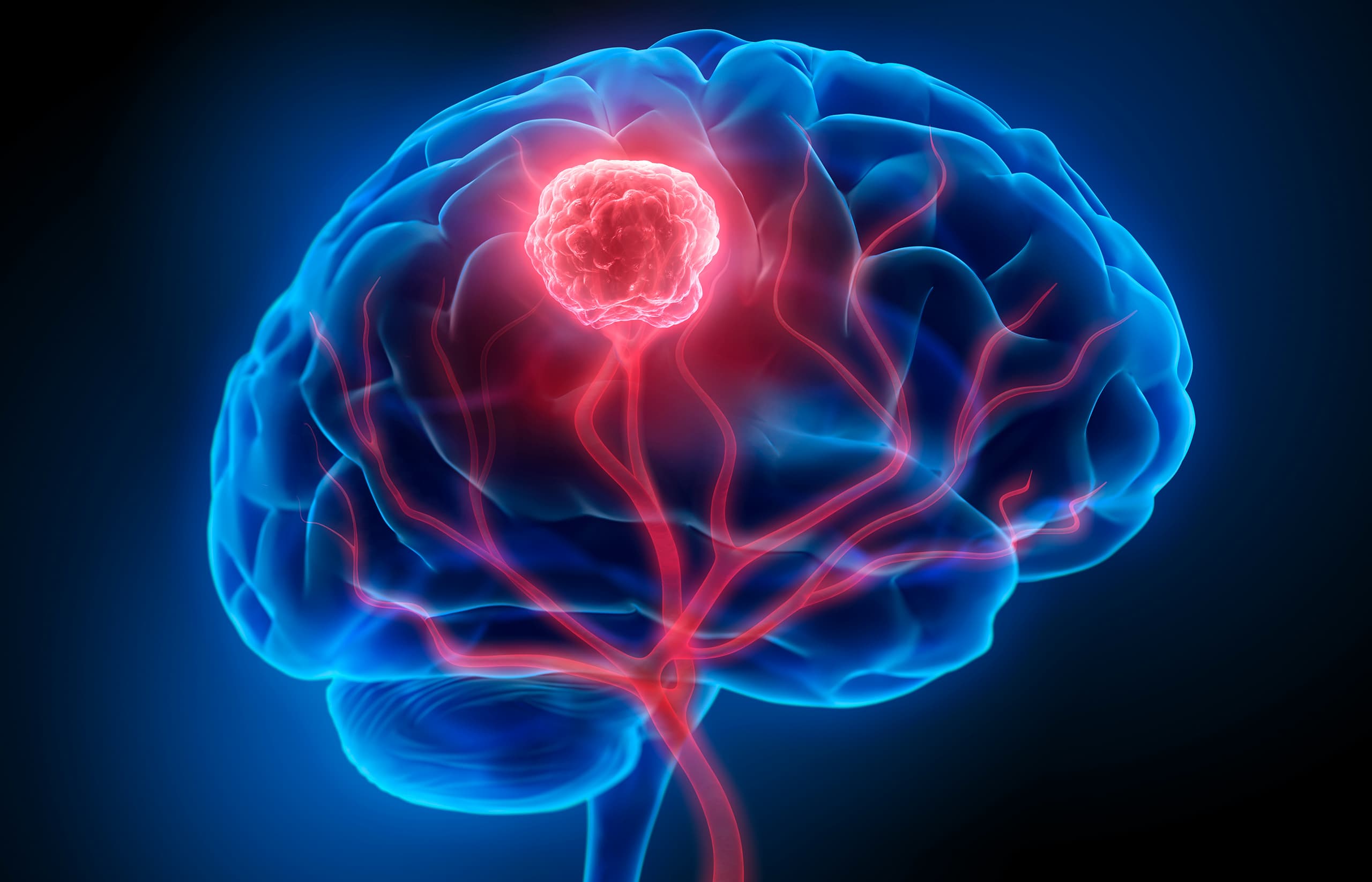
Brain tumours are abnormal growths of cells within the brain or central nervous system. They can be benign (non-cancerous) or malignant (cancerous). Early diagnosis and appropriate treatment are essential for optimal outcomes. Dr. Anjali Sachan provides personalised cancer care, helping patients understand their diagnosis and explore suitable treatment options based on the type, grade, and characteristics of their brain tumour.
What Are Brain Tumours?
Brain tumours develop when abnormal cells in the brain or surrounding tissues begin to grow uncontrollably. They can originate in the brain (primary brain tumours) or spread to the brain from other parts of the body (secondary or metastatic brain tumours).
Brain tumours are classified by their type, grade, and location. Treatment decisions depend on these factors, as well as the patient's age, overall health, and individual treatment goals.
Common Symptoms of Brain Tumours
Symptoms can vary depending on the tumour's size, location, and rate of growth. Possible warning signs include:
Brain Tumour Risk Factors
The exact cause of most brain tumours is unknown. Risk factors may include increasing age, family history of brain tumours, certain inherited genetic conditions, previous exposure to ionising radiation, and a weakened immune system. Having a risk factor does not necessarily mean that a person will develop a brain tumour.
Diagnosis of Brain Tumours
Accurate diagnosis is essential for determining the most appropriate treatment. Evaluation may include a neurological examination, imaging tests such as MRI, CT scan, or PET-CT, and specialised imaging techniques to assess brain function.
A biopsy may be performed to confirm the diagnosis and determine the tumour type and grade. Additional pathological or molecular testing may help guide treatment decisions for selected patients.
Brain Tumour Treatment
Treatment is individualised according to the tumour type, grade, location, size, and the patient's overall health. Depending on the condition, treatment may include:
Removal of the tumour or part of the tumour when surgically accessible.
Uses high-energy radiation to target and destroy tumour cells.
Medicines used to destroy or control cancer cells.
Medicines designed to target specific characteristics of tumour cells.
May be appropriate for selected brain tumours with specific features.
Different treatment modalities may be used together depending on the tumour and stage.
A multidisciplinary team approach can help ensure comprehensive care addressing both tumour control and quality of life.
Why Choose Dr. Anjali Sachan for Brain Tumour Care?
Dr. Anjali Sachan focuses on personalised cancer management, taking into account each patient's diagnosis, tumour characteristics, overall health, and individual treatment needs. She helps patients understand their condition and available treatment options, supporting informed decision-making throughout their care journey.
Early Detection Matters
Persistent headaches, seizures, vision changes, weakness, or other unexplained neurological symptoms should not be ignored. Timely medical evaluation can help establish an accurate diagnosis and support appropriate treatment planning. If you experience concerning symptoms, consult a qualified specialist promptly.
Discuss your diagnosis and treatment options with Dr. Anjali Sachan.