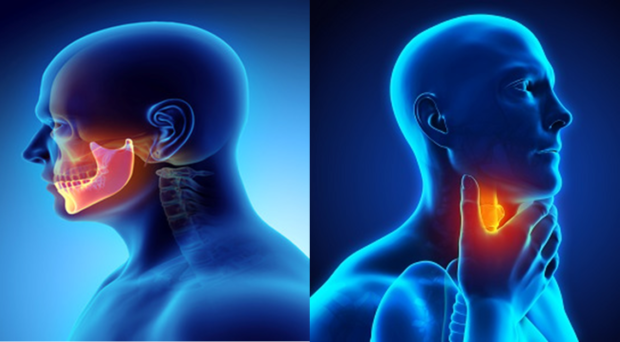
Head & Neck Cancer: Symptoms, Diagnosis, Treatment & Expert Care
Head and neck cancer refers to a group of cancers that develop in areas such as the mouth, throat, nose, sinuses, voice box, and salivary glands. Early diagnosis and appropriate treatment can play an important role in improving treatment outcomes. Dr. Anjali Sachan provides personalised cancer care, helping patients understand their diagnosis and choose an appropriate treatment approach.
What Is Head & Neck Cancer?
Head and neck cancers develop when abnormal cells in the tissues of the head or neck begin to grow uncontrollably. Depending on where the cancer originates, it may affect the oral cavity, tongue, throat, larynx, nasal cavity, sinuses, or salivary glands.
Most head and neck cancers are squamous cell carcinomas, although other types of cancer can also occur in these areas. Treatment depends on the exact location, type, stage, and characteristics of the cancer.
Common Symptoms of Head & Neck Cancer
Symptoms can vary depending on the affected area. Common warning signs include:
Head & Neck Cancer Risk Factors
Several factors may increase the risk of developing head and neck cancer. These include tobacco use, smoking, excessive alcohol consumption, certain occupational exposures, and infection with certain types of human papillomavirus (HPV). Poor oral health and prolonged exposure to certain environmental factors may also contribute to risk. Avoiding tobacco, limiting alcohol consumption, maintaining good oral health, and seeking timely medical evaluation can help reduce risk and support early detection.
Diagnosis of Head & Neck Cancer
Accurate diagnosis is essential for determining the most suitable treatment. Evaluation may include a physical examination, endoscopy, imaging tests such as CT, MRI or PET-CT, and a biopsy.
A biopsy is generally required to confirm cancer and identify its type. Additional tests may be performed to determine the stage of the disease and identify specific characteristics that can influence treatment decisions.
Head & Neck Cancer Treatment
Treatment is personalised according to the location and stage of the cancer, overall health, and individual patient factors. Depending on the condition, treatment may include:
Removal of the cancerous tissue and, when necessary, affected lymph nodes.
Uses high-energy radiation to destroy or control cancer cells.
Uses anti-cancer medicines to destroy or slow the growth of cancer cells.
Medicines designed to act on specific features of cancer cells.
Helps the immune system recognise and fight certain types of cancer.
Different treatment modalities may be used together for better disease control.
Treatment planning may involve specialists from multiple disciplines to address both cancer control and functional recovery.
Why Choose Dr. Anjali Sachan for Head & Neck Cancer Care?
Dr. Anjali Sachan focuses on personalised cancer management, helping patients understand their diagnosis, treatment options, and expected outcomes. Treatment recommendations are based on a detailed assessment of the cancer type, location, stage, and individual patient needs. Her patient-centred approach aims to provide comprehensive support throughout the cancer treatment journey.
Early Detection Matters
Early evaluation of persistent symptoms can help identify head and neck cancer at a more treatable stage. A mouth ulcer that does not heal, unexplained neck swelling, persistent voice changes, or difficulty swallowing should not be ignored. If you notice persistent or unusual symptoms, consult a qualified cancer specialist for appropriate evaluation.
Discuss your diagnosis and treatment options with Dr. Anjali Sachan.