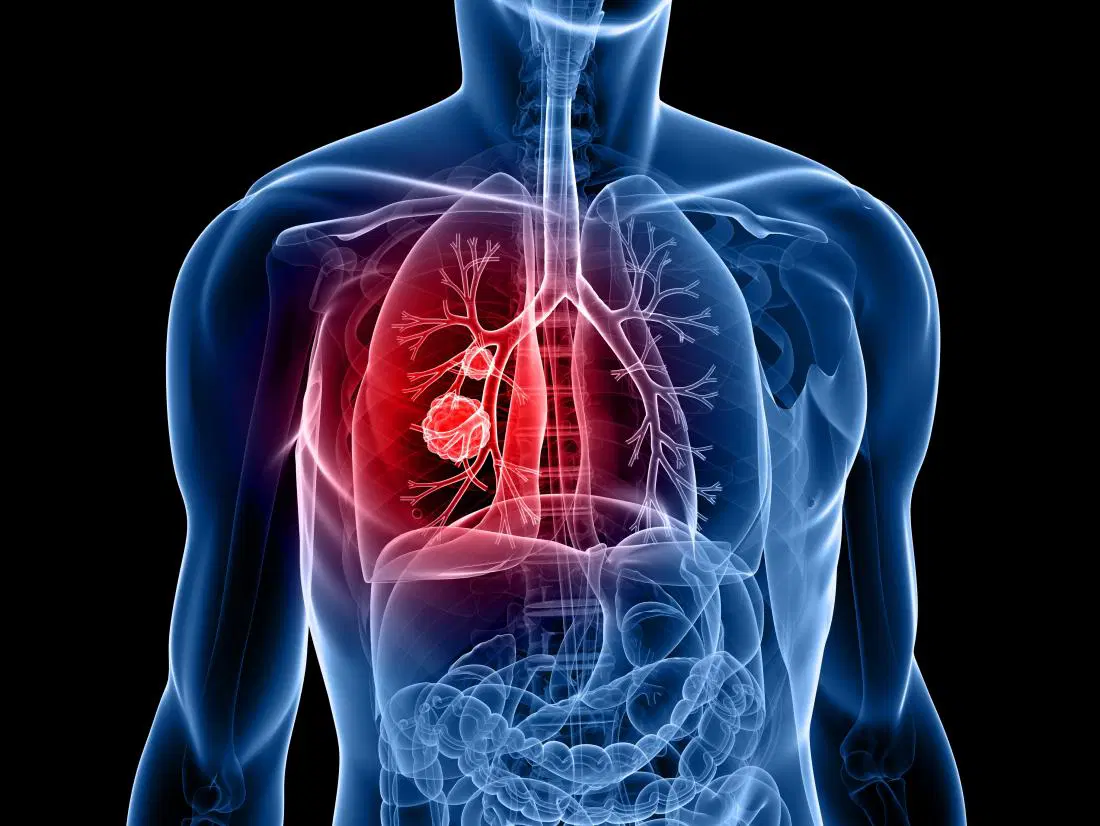
Lung Cancer: Symptoms, Diagnosis, Treatment & Expert Care
Lung cancer is a serious condition in which abnormal cells grow uncontrollably in the lungs. It is one of the leading causes of cancer-related deaths worldwide. However, advances in cancer diagnosis and treatment have significantly improved outcomes for many patients. Dr. Anjali Sachan provides personalised cancer care focused on accurate diagnosis, appropriate treatment planning, and comprehensive support throughout the treatment journey.
What Is Lung Cancer?
Lung cancer develops when abnormal cells in the lung begin to multiply uncontrollably and form a tumour. It is broadly classified into non-small cell lung cancer (NSCLC) and small cell lung cancer (SCLC). The type and stage of lung cancer play an important role in determining the most suitable treatment approach.
Lung cancer can sometimes develop without obvious symptoms in its early stages, making awareness and timely medical evaluation important.
Common Symptoms of Lung Cancer
Symptoms can vary depending on the location and stage of the cancer. Common signs may include:
Lung Cancer Risk Factors
Smoking is the most significant risk factor for lung cancer. Exposure to second-hand smoke, air pollution, certain workplace chemicals, asbestos, radon, and other environmental substances may also increase the risk. A family history of lung cancer and certain genetic factors can contribute to individual risk. Not every person with lung cancer has a history of smoking, which is why persistent respiratory symptoms should not be ignored.
Diagnosis of Lung Cancer
Early and accurate diagnosis is essential for developing an effective treatment plan. Depending on the patient's symptoms and medical history, investigations may include chest X-ray, CT scan, PET-CT, bronchoscopy, and biopsy.
A biopsy helps confirm whether abnormal lung cells are cancerous. Additional molecular and biomarker testing may be recommended for certain patients, particularly when planning targeted therapy or immunotherapy.
Lung Cancer Treatment
Lung cancer treatment is tailored to the individual's cancer type, stage, molecular characteristics, overall health, and treatment goals. Depending on these factors, treatment may include:
Removal of the tumour or part of the lung when appropriate.
Medicines that destroy or control cancer cells.
High-energy radiation used to target cancer cells.
Medicines designed to act on specific genetic or molecular changes in cancer cells.
Helps the immune system recognise and fight certain cancer cells.
Surgery, chemotherapy, radiation, targeted therapy, or immunotherapy may be used together depending on the individual case.
A multidisciplinary approach can help ensure that different aspects of lung cancer care are considered when developing an individual treatment plan.
Why Choose Dr. Anjali Sachan for Lung Cancer Care?
Dr. Anjali Sachan focuses on personalised cancer care, helping patients understand their diagnosis and available treatment options. Her approach involves careful evaluation of the patient's condition and development of an individualised treatment strategy based on the type and stage of lung cancer. Patients and families are guided through the treatment process so they can make informed decisions about their care.
Early Detection Matters
Recognising warning signs and seeking medical attention at the right time can support earlier diagnosis and treatment. Individuals at increased risk may also benefit from discussing appropriate lung cancer screening with their doctor. If you experience a persistent cough, unexplained weight loss, breathing difficulties, coughing up blood, or other concerning symptoms, do not delay medical evaluation.
Discuss your diagnosis and treatment options with Dr. Anjali Sachan.