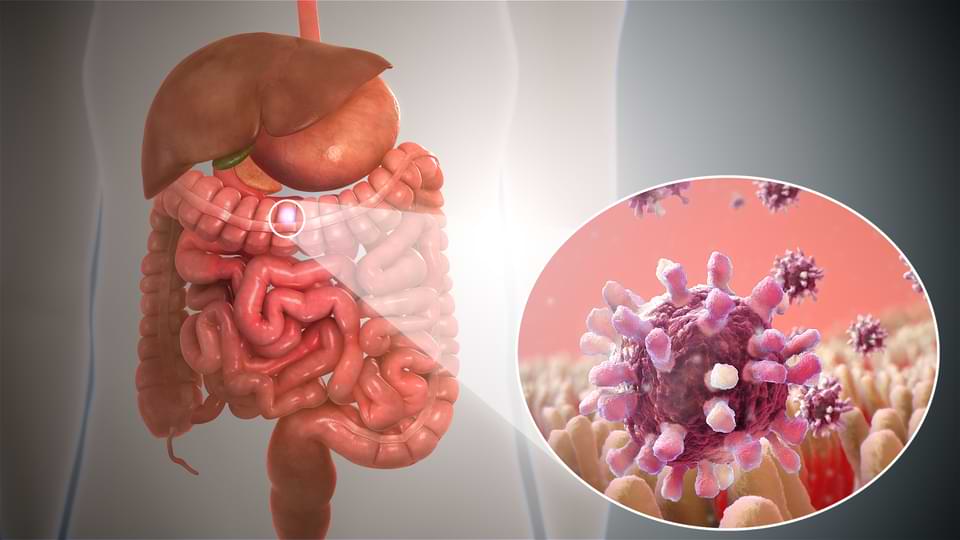
Gastrointestinal Cancer: Symptoms, Diagnosis, Treatment & Expert Care
Gastrointestinal (GI) cancer refers to cancers that develop in the digestive system, including the oesophagus, stomach, small intestine, colon, rectum, liver, pancreas, gallbladder, and bile ducts. Early diagnosis and timely treatment can improve treatment outcomes. Dr. Anjali Sachan provides personalised cancer care focused on accurate diagnosis, appropriate treatment planning, and comprehensive patient support.
What Is Gastrointestinal Cancer?
Gastrointestinal cancer occurs when abnormal cells in one or more parts of the digestive system begin to grow uncontrollably. The type of cancer, its location, stage, and molecular characteristics determine the most appropriate treatment.
Common gastrointestinal cancers include oesophageal cancer, stomach cancer, colorectal cancer, liver cancer, pancreatic cancer, gallbladder cancer, and bile duct cancer.
Common Symptoms of Gastrointestinal Cancer
Symptoms can vary depending on the affected organ and stage of the disease. Possible warning signs include:
Gastrointestinal Cancer Risk Factors
Risk factors vary depending on the type of gastrointestinal cancer. They may include increasing age, family history, certain inherited genetic conditions, tobacco use, excessive alcohol consumption, obesity, unhealthy dietary patterns, chronic inflammation, certain infections, and long-standing digestive or liver conditions. Having a risk factor does not necessarily mean that a person will develop cancer. Regular medical evaluation and appropriate screening can help identify certain cancers at an earlier stage.
Diagnosis of Gastrointestinal Cancer
Accurate diagnosis is essential for determining the most appropriate treatment. Depending on the symptoms and suspected cancer, investigations may include blood tests, ultrasound, CT scan, MRI, PET-CT, endoscopy, colonoscopy, or other specialised imaging procedures.
A biopsy may be performed to confirm the presence of cancer and determine its type. Additional pathological and molecular tests may help guide treatment decisions for selected patients.
Gastrointestinal Cancer Treatment
Treatment depends on the type, location, stage, and biological characteristics of the cancer, as well as the patient's overall health. Treatment options may include:
Removal of the tumour and surrounding affected tissue when appropriate.
Medicines used to destroy or control cancer cells.
High-energy radiation used to target cancer cells.
Medicines designed to target specific changes or characteristics of cancer cells.
Helps the immune system recognise and attack certain cancer cells.
Two or more treatment approaches may be used together depending on the cancer and individual treatment plan.
A multidisciplinary approach may be recommended to provide comprehensive gastrointestinal cancer management.
Why Choose Dr. Anjali Sachan for Gastrointestinal Cancer Care?
Dr. Anjali Sachan focuses on personalised cancer care, helping patients understand their diagnosis and available treatment options. Each treatment plan is developed according to the patient's cancer type, stage, overall health, and individual needs. Patients are guided throughout their treatment journey with an emphasis on informed decision-making and comprehensive cancer care.
Early Detection Matters
Early diagnosis can make a significant difference in the management of gastrointestinal cancers. Persistent digestive symptoms, unexplained weight loss, blood in the stool, difficulty swallowing, or prolonged abdominal discomfort should not be ignored. If you experience persistent or unusual gastrointestinal symptoms, seek timely medical evaluation.
Discuss your diagnosis and treatment options with Dr. Anjali Sachan.