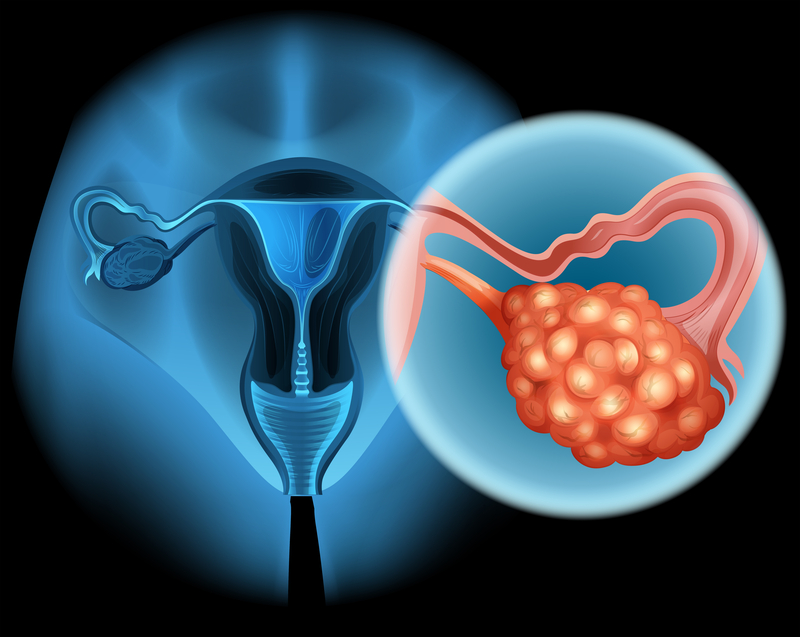
Gynaecological Cancers: Symptoms, Diagnosis, Treatment & Expert Care
Gynaecological cancers are cancers that develop in the female reproductive system, including the ovaries, uterus, cervix, fallopian tubes, vagina, and vulva. Early detection, regular screening where appropriate, and timely treatment can improve outcomes for many women. Dr. Anjali Sachan provides personalised cancer care, helping women understand their diagnosis and explore suitable treatment options based on the type, stage, and characteristics of their cancer.
What Are Gynaecological Cancers?
Gynaecological cancers develop when abnormal cells in the female reproductive organs begin to grow uncontrollably. Common types include cervical cancer, ovarian cancer, endometrial (uterine) cancer, vulvar cancer, and vaginal cancer.
Each type of cancer behaves differently. Treatment decisions depend on the affected organ, cancer stage, tumour characteristics, overall health, and individual treatment goals.
Common Symptoms of Gynaecological Cancer
Symptoms can vary depending on the type of cancer. Possible warning signs include:
Gynaecological Cancer Risk Factors
Risk factors differ depending on the specific type of cancer. They may include increasing age, family history, certain inherited genetic conditions, persistent infection with high-risk HPV, obesity, hormonal factors, smoking, and certain reproductive or medical factors. Not every woman with a risk factor will develop cancer. Appropriate screening and regular healthcare visits can support early detection of certain gynaecological cancers.
Diagnosis of Gynaecological Cancer
Diagnosis depends on the suspected type of cancer and may include a pelvic examination, Pap test and HPV testing for cervical cancer screening, ultrasound, CT scan, MRI, PET-CT in selected cases, or other specialised investigations.
A biopsy is often required to confirm the presence and type of cancer. Additional pathological or molecular testing may be recommended to help determine the most appropriate treatment.
Gynaecological Cancer Treatment
Treatment is individualised according to the cancer type, stage, tumour characteristics, and the patient's overall health. Depending on the condition, treatment may include:
Removal of the tumour and affected reproductive tissues when appropriate.
Medicines used to destroy or control cancer cells.
Uses high-energy radiation to target cancer cells.
May be used for selected hormone-sensitive gynaecological cancers.
Medicines designed to target specific characteristics of cancer cells.
May be appropriate for selected cancers with specific biological features.
A multidisciplinary approach can help ensure that treatment addresses both cancer control and the patient's overall wellbeing.
Why Choose Dr. Anjali Sachan for Gynaecological Cancer Care?
Dr. Anjali Sachan focuses on personalised cancer management, taking into account each patient's diagnosis, cancer stage, overall health, and individual treatment needs. She helps patients understand their condition and available treatment options, supporting informed decision-making throughout their cancer care journey.
Early Detection Matters
Some gynaecological cancers may have subtle symptoms in their early stages. Abnormal vaginal bleeding, persistent pelvic pain, unusual discharge, or other unexplained changes should not be ignored. Regular preventive healthcare and recommended screening can help detect certain cancers or precancerous changes at an earlier stage.
Discuss your diagnosis and treatment options with Dr. Anjali Sachan.