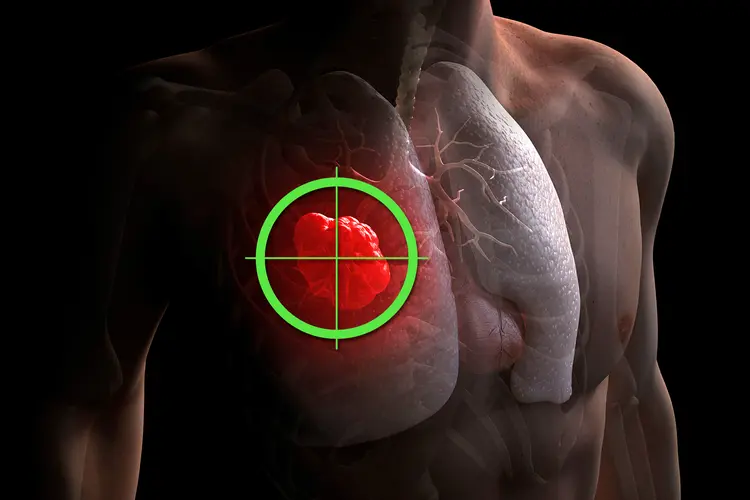
Targeted Therapy: Precision Cancer Treatment & Expert Care
Targeted therapy is an advanced approach to cancer treatment that uses medicines designed to identify and act on specific molecules, proteins, or genetic changes that help cancer cells grow and survive. Unlike traditional chemotherapy, which generally affects rapidly dividing cells, targeted therapies are developed to act on particular characteristics of cancer cells. Dr. Anjali Sachan provides personalised cancer care, helping patients understand whether targeted therapy may be suitable for their cancer and how it can be incorporated into their overall treatment plan.
What Is Targeted Therapy?
Targeted therapy works by interfering with specific processes that cancer cells depend on for growth, division, spread, or survival. Depending on the medicine, it may block signals that promote cancer growth, prevent blood vessel formation around a tumour, or directly affect cancer cells carrying particular molecular changes.
Targeted therapy may be used alone or alongside chemotherapy, radiation therapy, surgery, immunotherapy, or hormone therapy.
When Is Targeted Therapy Used?
Targeted therapy is not suitable for every cancer patient. It is generally considered when testing shows that a tumour contains a specific biomarker, genetic alteration, protein, or other molecular feature that can be targeted by an available treatment. It may be used to: Treat certain cancers with specific molecular changes; Control advanced or metastatic cancer; Reduce the risk of cancer returning in selected situations; Improve treatment effectiveness when combined with other therapies; Provide a treatment option when conventional therapies may be less suitable.
Biomarker and Molecular Testing
Before targeted therapy is recommended, doctors may perform biomarker or molecular testing on a tumour sample. These tests can identify genetic mutations, proteins, or other characteristics that may influence treatment.
The results help determine whether a particular targeted medicine is likely to benefit the patient. Not every tumour has an actionable target, and the availability of suitable treatment depends on the specific cancer and molecular findings.
Types of Targeted Therapy
Targeted cancer medicines work through different mechanisms. Some commonly used approaches include:
The choice of therapy depends on the patient's cancer type, molecular profile, stage, and previous treatments.
Possible Side Effects
Although targeted therapies are designed to act more specifically than conventional chemotherapy, they can still cause side effects. These vary according to the medicine and may include:
Regular monitoring helps doctors identify and manage potential treatment-related effects.
Why Choose Dr. Anjali Sachan for Targeted Therapy Care?
Dr. Anjali Sachan focuses on personalised cancer treatment based on the patient's cancer type, stage, molecular characteristics, overall health, and treatment goals. When appropriate, targeted therapy may be incorporated into a broader treatment plan to provide a more individualised approach to cancer care. Patients are guided through the purpose of molecular testing, potential treatment benefits, possible side effects, and monitoring requirements.
The Importance of Personalised Cancer Treatment
Cancer treatment is increasingly moving toward personalised approaches based on the biological characteristics of each tumour. Targeted therapy can offer an important treatment option for patients whose cancers contain specific actionable molecular changes. If you or a loved one has been diagnosed with cancer, consult Dr. Anjali Sachan to understand whether molecular testing and targeted therapy may be appropriate for your condition and to explore personalised treatment options.
Discuss your diagnosis and treatment options with Dr. Anjali Sachan.