Thyroid Cancer: Symptoms, Diagnosis, Treatment & Expert Care
Thyroid cancer develops when abnormal cells in the thyroid gland begin to grow uncontrollably. The thyroid is a small, butterfly-shaped gland located at the front of the neck that produces hormones important for metabolism and several body functions. With early detection and appropriate treatment, many types of thyroid cancer can be effectively managed. Dr. Anjali Sachan provides personalised cancer care, helping patients understand their diagnosis and choose an appropriate treatment plan based on the type and stage of thyroid cancer.
What Is Thyroid Cancer?
Thyroid cancer occurs when abnormal cells in the thyroid gland multiply and form a tumour. The major types include papillary thyroid cancer, follicular thyroid cancer, medullary thyroid cancer, and anaplastic thyroid cancer. Each type behaves differently and may require a different treatment approach.
Treatment decisions depend on the cancer type, tumour size, stage, spread, molecular characteristics, and the patient's overall health.
Common Symptoms of Thyroid Cancer
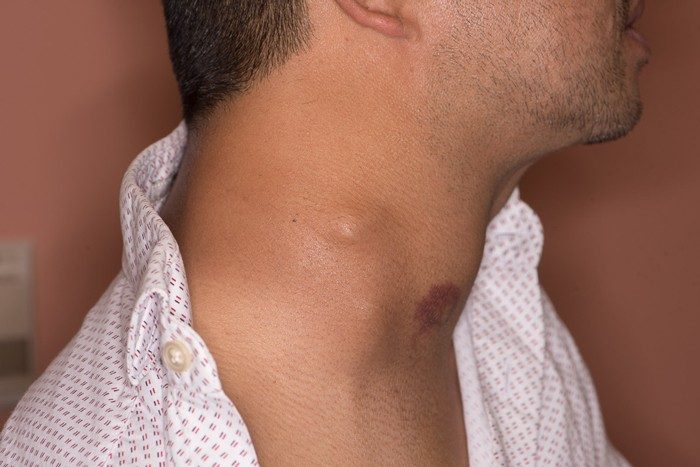
Thyroid cancer may not cause noticeable symptoms in its early stages. Possible signs include:
Thyroid Cancer Risk Factors
Several factors may increase the risk of thyroid cancer, including a family history of thyroid cancer, certain inherited genetic conditions, previous exposure to significant radiation, and certain thyroid conditions. Some types of thyroid cancer have a stronger genetic association than others. Having a risk factor does not mean that a person will necessarily develop thyroid cancer.
Diagnosis of Thyroid Cancer
Evaluation usually begins with a clinical examination of the neck and thyroid. Depending on the findings, investigations may include thyroid ultrasound, thyroid function tests, and fine-needle aspiration (FNA) biopsy.
A biopsy can help determine whether a thyroid nodule contains cancerous cells. Additional imaging and molecular or genetic testing may be recommended in selected cases to support diagnosis and treatment planning.
Thyroid Cancer Treatment
Treatment is personalised according to the type and stage of thyroid cancer. Depending on the individual case, treatment may include:
Removal of part or all of the thyroid gland and, when necessary, affected lymph nodes.
Used for selected differentiated thyroid cancers to destroy remaining thyroid tissue or cancer cells.
May be prescribed after surgery to replace thyroid hormones and, in selected cases, help suppress stimulation of thyroid cancer cells.
Medicines that target specific molecular changes may be used for certain advanced thyroid cancers.
May be considered in selected situations.
Some small, low-risk thyroid cancers may be carefully monitored rather than treated immediately.
A multidisciplinary approach can help ensure that different aspects of thyroid cancer care are considered when developing an individual treatment plan.
Why Choose Dr. Anjali Sachan for Thyroid Cancer Care?
Dr. Anjali Sachan focuses on individualised cancer management, considering the patient's diagnosis, tumour characteristics, disease stage, and overall health when developing a treatment strategy. Patients are guided through their diagnosis and treatment options, helping them make informed decisions throughout their cancer care journey.
Early Detection Matters
A thyroid lump or persistent neck swelling should not be ignored, even when there are no other symptoms. Early evaluation can help determine whether a thyroid nodule is benign or requires further investigation. If you notice any concerning changes, consult a qualified thyroid cancer specialist promptly.
Discuss your diagnosis and treatment options with Dr. Anjali Sachan.