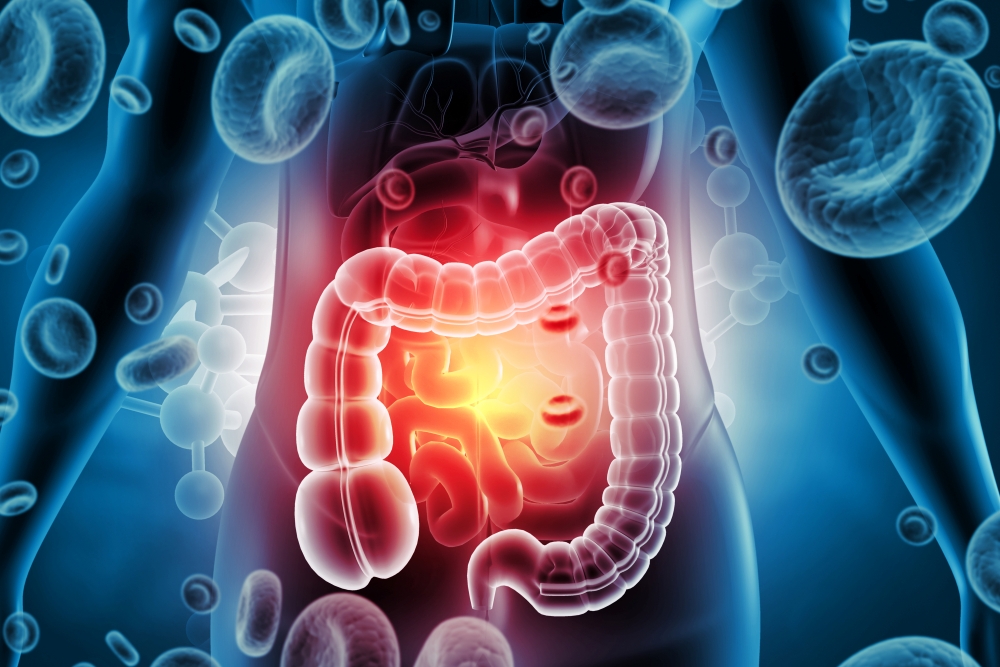
Colorectal Cancer: Symptoms, Diagnosis, Treatment & Expert Care
Colorectal cancer is a type of cancer that develops in the colon or rectum, which are parts of the large intestine. It is one of the most common cancers worldwide and can often be treated effectively when detected at an early stage. Regular screening, awareness of warning signs, and timely medical evaluation play an important role in colorectal cancer management. Dr. Anjali Sachan provides personalised cancer care, helping patients understand their diagnosis and explore appropriate treatment options based on the type and stage of colorectal cancer.
What Is Colorectal Cancer?
Colorectal cancer begins when abnormal cells in the lining of the colon or rectum grow uncontrollably. In many cases, it develops from precancerous polyps, which can be detected and removed during screening before they become cancerous.
The treatment approach depends on the location and stage of the cancer, tumour characteristics, overall health, and individual patient needs.
Common Symptoms of Colorectal Cancer
Colorectal cancer may not cause symptoms in its early stages. Possible warning signs include:
Colorectal Cancer Risk Factors
The risk of colorectal cancer increases with age, although it can also occur in younger adults. Risk factors may include a family history of colorectal cancer or polyps, certain inherited genetic conditions, inflammatory bowel diseases, obesity, physical inactivity, smoking, excessive alcohol consumption, and certain dietary patterns. Having a risk factor does not mean that a person will develop colorectal cancer. Screening can help detect precancerous changes or cancer at an earlier stage.
Diagnosis of Colorectal Cancer
Diagnosis may involve a medical history and physical examination followed by appropriate investigations. Colonoscopy is an important diagnostic and screening procedure that allows the doctor to examine the colon and rectum and remove suspicious polyps when appropriate.
If an abnormal area is identified, a biopsy can confirm whether cancer cells are present. CT scans, MRI, PET-CT in selected cases, and other tests may be used to determine the stage and extent of the disease.
Colorectal Cancer Treatment
Treatment is tailored according to the cancer's location, stage, molecular characteristics, and the patient's overall health. Treatment options may include:
Removal of the cancerous section of the colon or rectum and nearby lymph nodes when appropriate.
Medicines used to destroy or control cancer cells.
Particularly useful in selected rectal cancers.
Medicines designed to target specific characteristics of cancer cells.
May benefit selected colorectal cancers with particular molecular features.
Different therapies may be used together depending on the stage and characteristics of the cancer.
A multidisciplinary approach can help provide comprehensive treatment and supportive care.
Why Choose Dr. Anjali Sachan for Colorectal Cancer Care?
Dr. Anjali Sachan focuses on personalised cancer management based on each patient's diagnosis, disease stage, overall health, and individual treatment requirements. She helps patients understand their condition and available treatment options while providing guidance throughout their cancer care journey.
Early Detection Matters
Colorectal cancer can develop without obvious symptoms, making appropriate screening particularly important. Screening can identify precancerous polyps and early-stage cancer, when treatment may be more effective. If you experience persistent changes in bowel habits, blood in the stool, unexplained weight loss, or other concerning symptoms, seek timely medical evaluation.
Discuss your diagnosis and treatment options with Dr. Anjali Sachan.