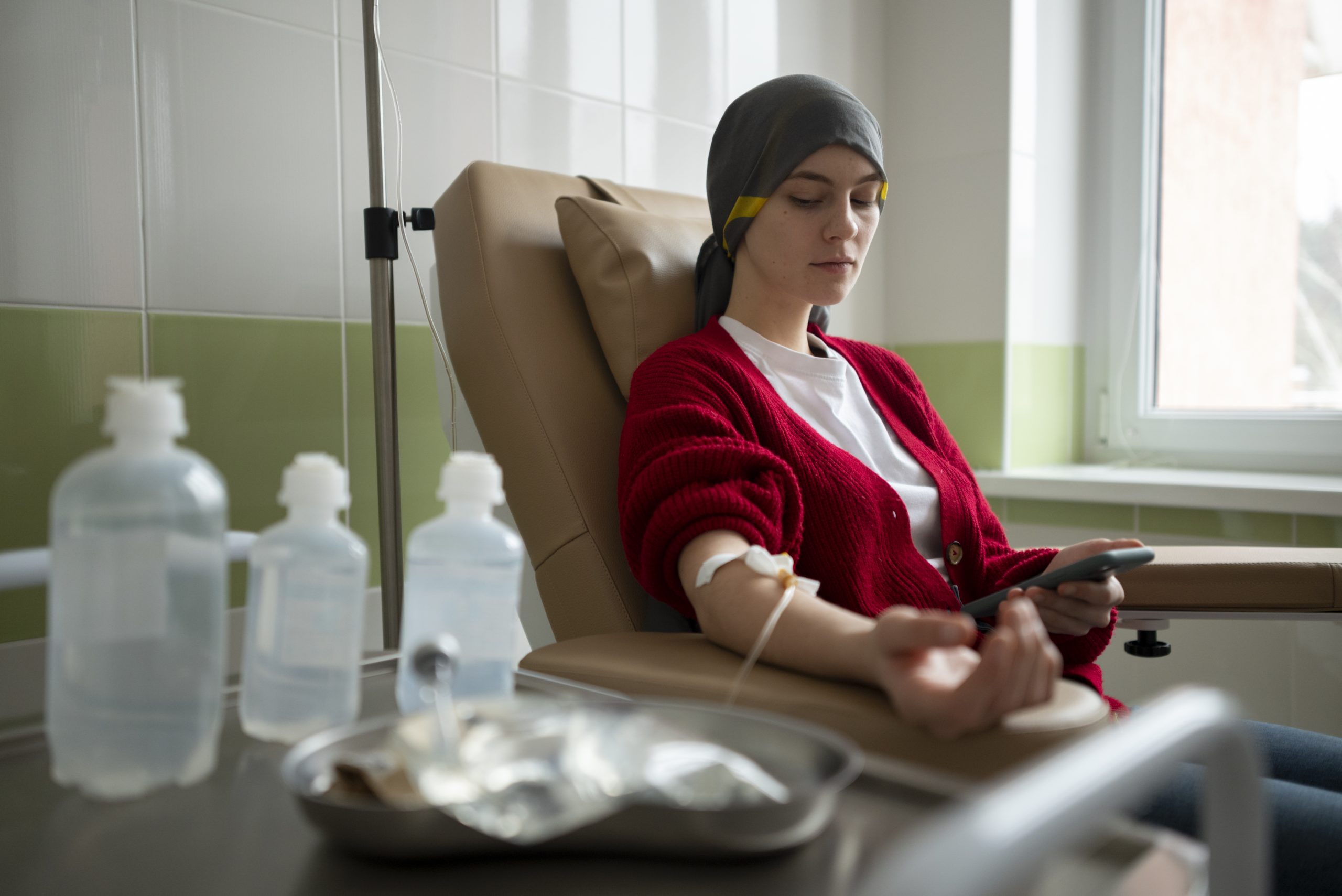
Chemotherapy: Treatment, Benefits, Side Effects & Expert Care
Chemotherapy is a widely used cancer treatment that uses specialised medicines to destroy cancer cells, slow their growth, or prevent them from multiplying. It may be used alone or in combination with surgery, radiation therapy, targeted therapy, or immunotherapy, depending on the type and stage of cancer. Dr. Anjali Sachan provides personalised cancer care, helping patients understand whether chemotherapy may be appropriate for their condition and supporting them throughout their treatment journey.
What Is Chemotherapy?
Chemotherapy uses anti-cancer medicines that target rapidly dividing cells. Because cancer cells generally multiply more rapidly than many normal cells, chemotherapy can help control or eliminate cancer cells.
Chemotherapy may be recommended with different treatment goals, such as: Before surgery (neoadjuvant chemotherapy) to shrink a tumour and potentially make surgery more effective; After surgery (adjuvant chemotherapy) to destroy microscopic cancer cells that may remain after surgery and reduce the risk of recurrence in appropriate cancers; For advanced cancer to control cancer growth, relieve symptoms, and help maintain quality of life; With other treatments where chemotherapy may be combined with radiation therapy or other systemic cancer treatments.
How Is Chemotherapy Given?
The method of chemotherapy depends on the medicines being used and the type of cancer. It may be administered through:
Chemotherapy is commonly given in cycles, with treatment periods followed by recovery periods. The number and frequency of cycles depend on the cancer type, treatment plan, response to therapy, and the patient's overall health.
Common Side Effects of Chemotherapy
Chemotherapy can affect some healthy cells that divide rapidly, which may lead to side effects. These can vary considerably between patients and depend on the medicines used. Possible side effects include:
Not every patient experiences all these side effects. Doctors can recommend medicines and supportive measures to help manage treatment-related effects.
What to Expect During Chemotherapy
Before starting treatment, the medical team reviews the diagnosis, cancer stage, overall health, and treatment goals. Blood tests and other assessments may be performed before or during treatment to monitor the body's response and ensure treatment can be given safely.
Patients should inform their healthcare team about new or severe symptoms during chemotherapy. Prompt communication can help with appropriate management and treatment adjustments when necessary.
Why Choose Dr. Anjali Sachan for Chemotherapy Care?
Dr. Anjali Sachan focuses on individualised cancer treatment based on the patient's cancer type, stage, tumour characteristics, overall health, and treatment goals. Chemotherapy recommendations are made after carefully evaluating whether the potential benefits outweigh the risks for the individual patient. Patients are guided through their treatment plan and supported in managing potential side effects throughout their cancer care journey.
Why Timely Cancer Treatment Matters
When chemotherapy is recommended, following the prescribed treatment schedule and attending regular follow-up appointments are important. Treatment plans may be adjusted based on how the cancer responds and how well the patient tolerates therapy. If you or a loved one has been diagnosed with cancer and chemotherapy has been recommended, consult Dr. Anjali Sachan to understand your treatment options and develop a personalised cancer care plan.
Discuss your diagnosis and treatment options with Dr. Anjali Sachan.