When Should You See a Medical Oncologist?
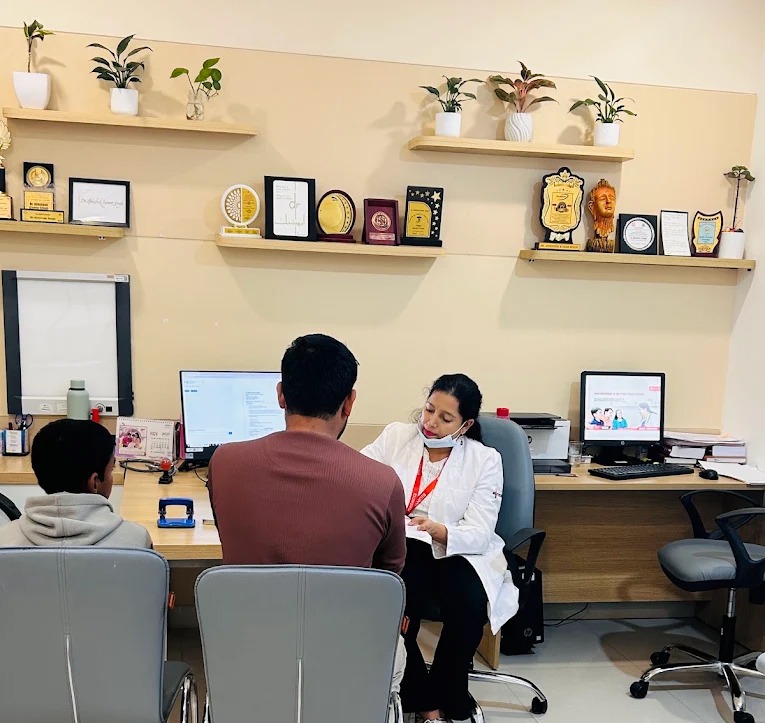
A cancer diagnosis can bring many questions about treatment, prognosis, and what to expect next. A medical oncologist is a specialist who manages cancer using treatments such as chemotherapy, targeted therapy, immunotherapy, and hormonal therapy. Knowing when to consult an oncologist can help patients receive timely and appropriate care. Dr. Anjali Sachan provides personalized oncology care, helping patients understand their diagnosis and choose treatment options based on the type, stage, and characteristics of their cancer.
After a Cancer Diagnosis
If you have been diagnosed with cancer, consulting a medical oncologist is an important step. The oncologist reviews your biopsy, imaging reports, pathology results, and other medical information to determine the nature and extent of the disease.
Based on this evaluation, Dr. Anjali Sachan can help develop an individualized treatment plan that may involve one or more treatment approaches.
When Chemotherapy May Be Recommended
Chemotherapy may be used to destroy cancer cells, reduce the risk of recurrence, shrink a tumor before surgery, or control cancer that has spread. A medical oncologist determines whether chemotherapy is appropriate and selects the most suitable medicines and treatment schedule.
When Targeted Therapy or Immunotherapy May Be Needed
Some cancers have specific molecular or genetic characteristics that can be targeted with specialized medicines. Targeted therapy works against particular features of cancer cells, while immunotherapy helps the immune system recognize and fight cancer.
Your oncologist may recommend biomarker or molecular testing to determine whether these treatments could be beneficial.
For Hormone-Sensitive Cancers
Hormonal therapy can be an important part of treatment for certain cancers, particularly hormone receptor-positive breast cancer. A medical oncologist can assess hormone receptor status and recommend appropriate hormonal treatment when indicated.
If Cancer Comes Back
Patients who have previously completed cancer treatment should consult an oncologist if there is evidence or suspicion that the cancer has returned. Recurrence can be local, regional, or distant, and treatment depends on where the cancer has returned and the characteristics of the disease.
If Cancer Has Spread
When cancer spreads to other parts of the body, known as metastatic or advanced cancer, medical oncology plays an important role in controlling the disease, managing symptoms, and maintaining quality of life. Treatment may involve systemic therapies such as chemotherapy, targeted therapy, immunotherapy, or hormonal therapy.
For a Second Opinion
A second opinion can be valuable when patients want greater clarity about their diagnosis or treatment options. Consulting a medical oncologist can help patients understand different approaches and make informed decisions about their cancer care.
Why Choose Personalized Oncology Care?
Every cancer is different, and treatment should be tailored to the individual patient. Dr. Anjali Sachan focuses on understanding the patient's cancer characteristics, overall health, treatment goals, and preferences when developing a personalized care strategy.
Consult Dr. Anjali Sachan for Expert Oncology Care
If you or a loved one has recently been diagnosed with cancer, is experiencing a suspected recurrence, or needs guidance about available treatment options, consulting a medical oncologist can help you understand the next steps.
Dr. Anjali Sachan offers comprehensive and personalized cancer care, helping patients navigate diagnosis, treatment, follow-up, and long-term cancer management with an individualized approach.
Discuss your diagnosis and treatment options with Dr. Anjali Sachan.